Sparkling Wine Presentation Box
Sussex · From vine to wine
The Still Wine Journey
Scroll to follow the years-long passage from budburst to bottle.
1 / 8
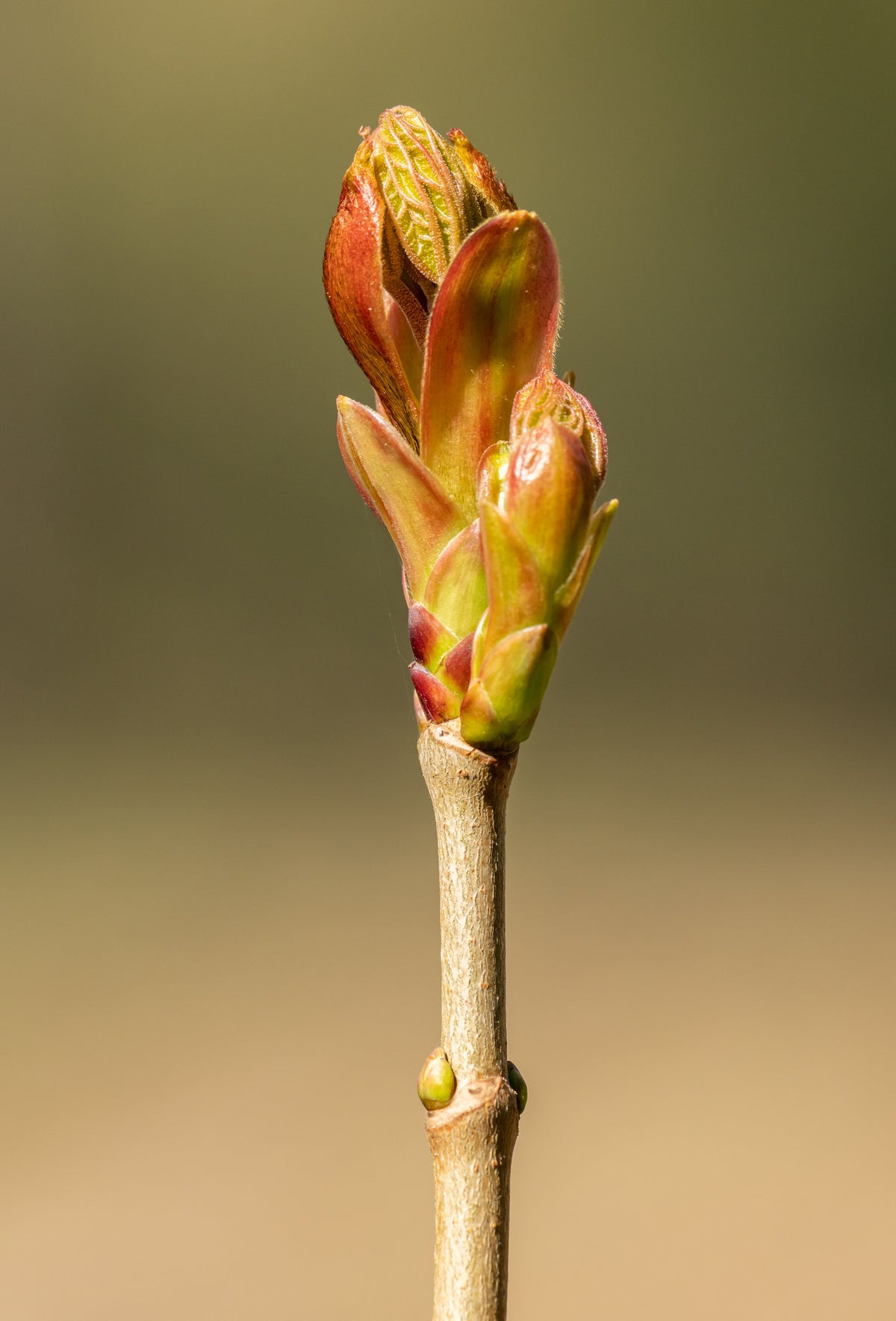
Budburst
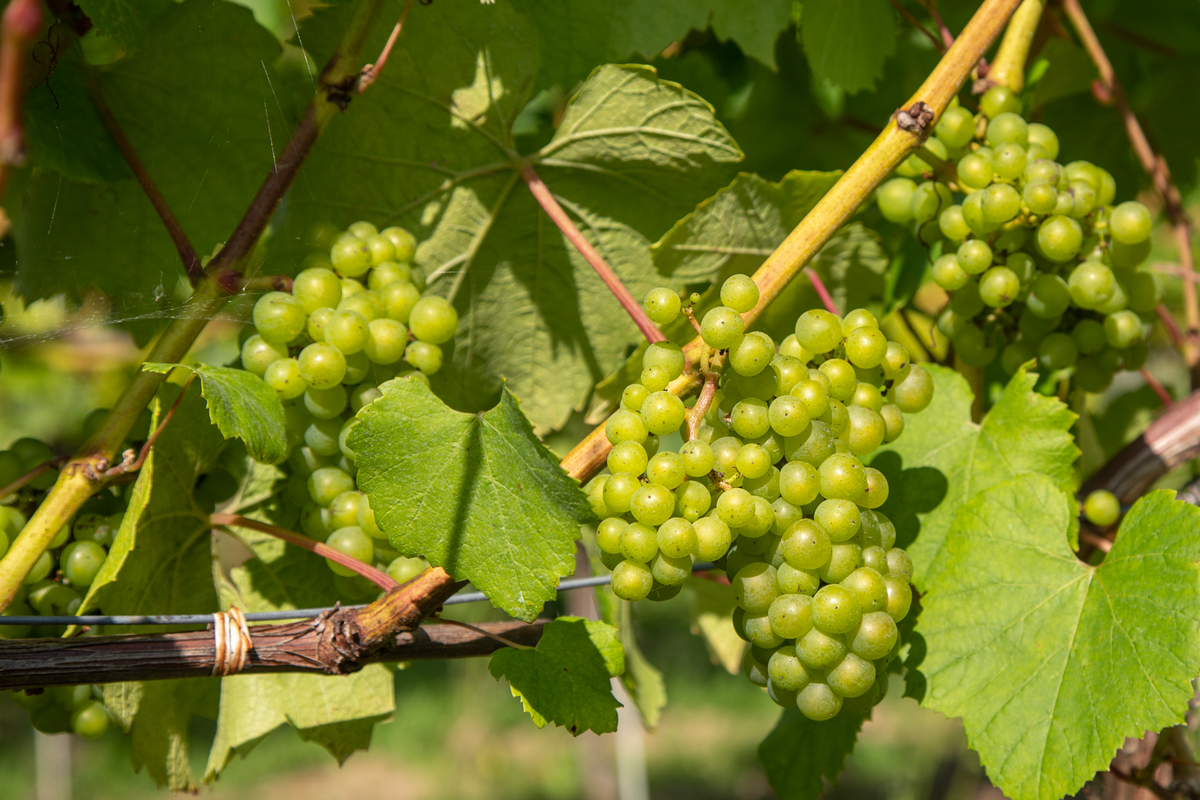
Spring · AprilThe dormant vines awaken and the first green shoots break from the bud. On the South Downs, growers watch nervously for late-May frosts, which in a bad year can claim most of a crop.
2 / 8
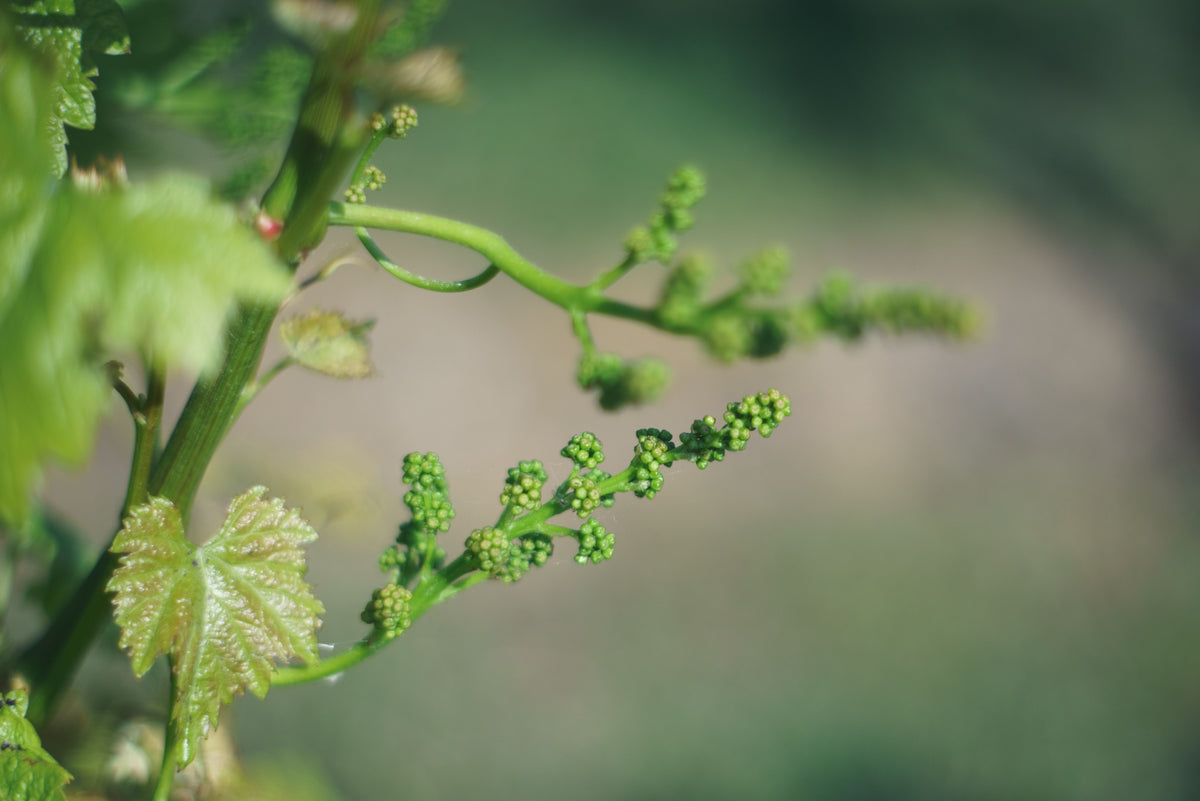
Flowering
Early summer · JuneAbout eight weeks after budburst, tiny self-pollinating flowers appear. A warm, dry flowering sets the size of the harvest to come — the moment that quietly decides the vintage.
3 / 8
Véraison
Late summer · AugustThe berries soften and colour, sugars rise and acidity falls. Sussex's long, cool ripening season is what gives still wines from Bacchus, Chardonnay and Pinot Noir their bright, aromatic character.
4 / 8
Harvest
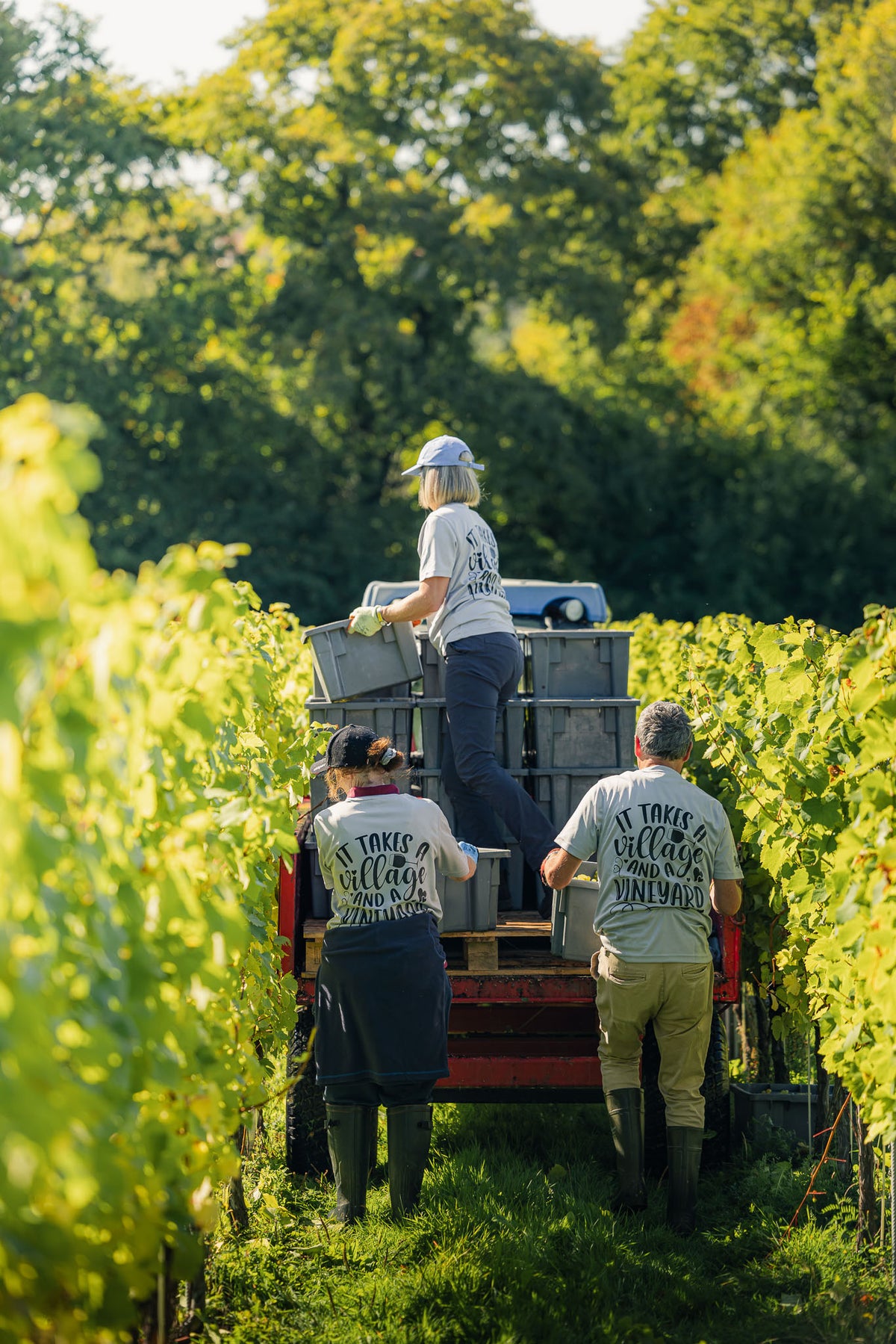
OctoberUnder Sussex PDO rules every grape is hand-picked, with yields capped at 14 tonnes per hectare. Pickers move row by row, selecting only sound, ripe bunches for the press.
5 / 8
Pressing
NovemberGrapes are pressed and the juice is run into tank or barrel. Yeasts convert sugar to alcohol over days to weeks, creating the base wine. Still wines must reach at least 10% ABV.
6 / 8
Maturing
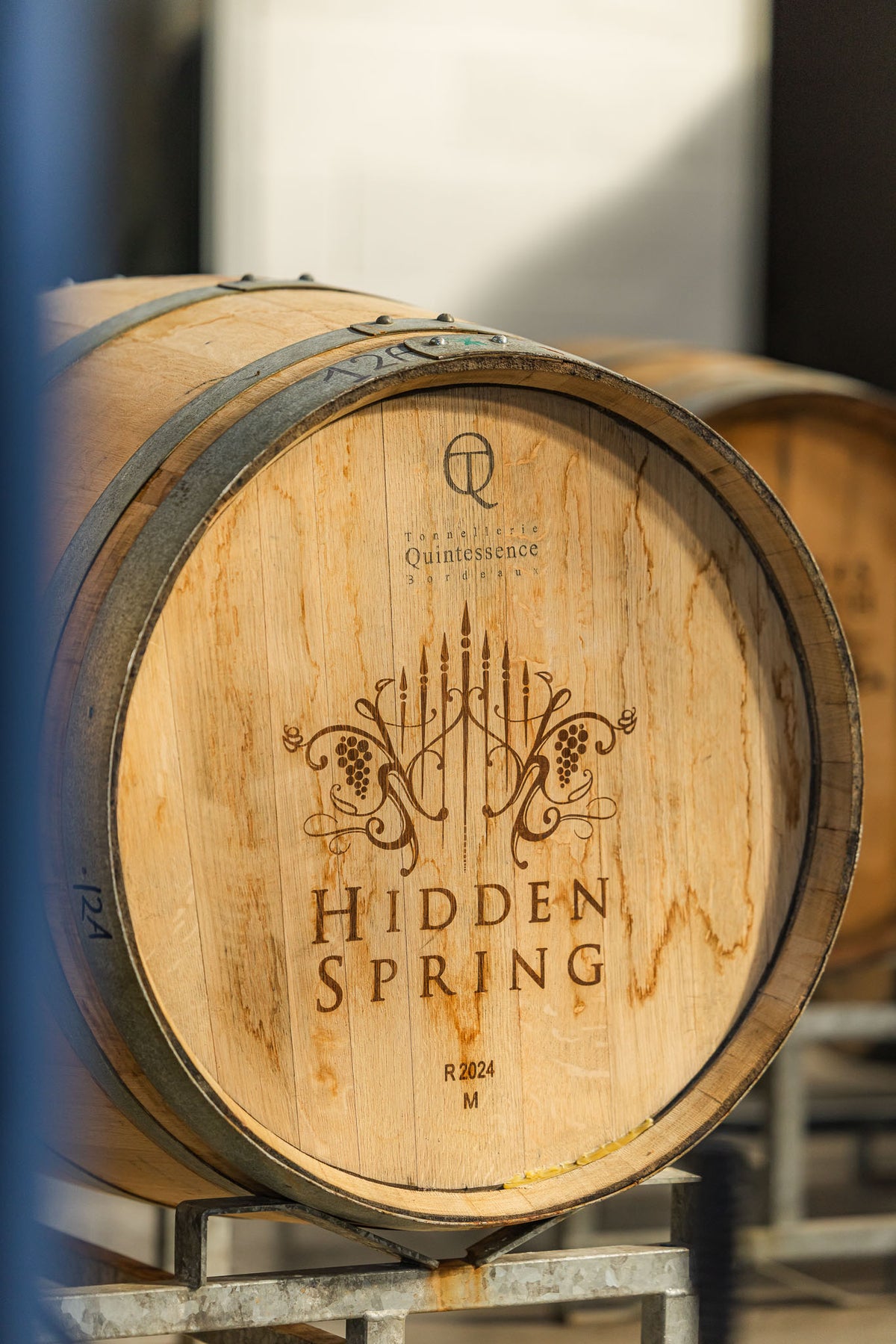
Months to yearsThe young wine rests on its lees, in stainless steel for freshness or oak for depth and complexity. Sussex rules require all lees-ageing to happen within the region.
7 / 8
Bottling
After ageing • months before releaseOnce the winemaker judges the wine ready, it is filtered and bottled — a step that, for Sussex PDO wines, must also take place within the demarcated region.
8 / 8
Labelling & Release
1-6 month processBottles are labelled, often after further ageing in the cellar to settle and round out. Finally the finished still wine is released — the close of a journey that began with a single bud.
The Bacchus grape is a vibrant, early-ripening white wine variety that has quickly become the unofficial "poster grape" for the English still wine industry. Created in Germany in 1933 by viticulturalist Peter Morio, Bacchus is a complex cross between a Silvaner-Riesling hybrid and Müller-Thurgau. Named after the Roman god of wine, it was officially released for general cultivation in 1972. While originally bred to survive in the cooler climates of central Europe, Bacchus has found its true spiritual home in the chalky soils and temperate weather of the United Kingdom. Here, the long, cool growing season allows the grapes to retain a brilliant, zesty acidity while developing an expressive, refreshing bouquet of elderflower, green apple, pear, and bright citrus.
The New Vintage
Bacchus
2025 Vintage. Bright and vibrant with aromas of elderflower, nectarine, pear and peach, a lively minerality and flavours of fresh lime zest, grapefruit and stone fruit layers. Excellent length - British summertime in a glass.
In the wine world, Bacchus is most frequently compared to Sauvignon Blanc due to its crisp profile, mouth-watering acidity, and herbaceous aromatic qualities. However, Bacchus brings its own distinct personality to the glass. Where a New Zealand Sauvignon Blanc might lean heavily into aggressive tropical fruits and sharp bell pepper, English Bacchus tends to be slightly softer and more rounded, offering a quintessential "English hedgerow" character filled with delicate floral notes, nettle, and freshly cut grass. Compared to its parent grape, Riesling, Bacchus produces wines that are generally lower in acidity when grown in warmer climates. Yet, in cooler regions like the UK, it strikes a perfect balance—avoiding the overly austere sharpness of some cool-climate whites while delivering a highly aromatic, fruit-forward palate.
Bacchus Fumé: Bacchus, Aged in Oak
Product title
A generous and rich nose carries notes of vanilla, spice, and nectarine, which balance with the delicate classic Bacchus aromas of elderflower and citrus. Poised fresh acidity and minerality on the palette. Gentle oak ageing brings developed aromatic flavours, guiding you into a long textural finish.
When compared to the broader market, our Bacchus stands out for its elevated complexity and textural depth. Located in East Sussex, our estate crafts award-winning expressions of the grape, most notably their highly praised Bacchus Fumé. While many standard English Bacchus wines on the market are fermented purely in stainless steel to maximize fresh, zesty fruit flavours, Our Bacchus Fumé undergoes a partial oak fermentation and lees aging, which introduces luxurious notes of vanilla, butterscotch, and toasted oak that beautifully complement the grape's natural elderflower core. This gentle aging creates a delicate yet sumptuous mouthfeel, resulting in a more sophisticated, food-friendly wine with incredible length that easily rivals premium international whites.