

Sold out
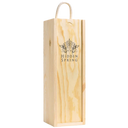
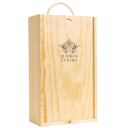
Sparkling Wine Presentation Box
#HS-A-BXD
Only 1,000
bottles available. Once it's gone, it's gone.
£7.95
Incl. VAT
Regular price
£7.95
Sparkling Wine Presentation Box
£7.95
Double
Regular price
£7.95
Sussex · From vine to wine
The Wine Journey
Scroll to follow the years-long passage from budburst to bottle.
1 / 8
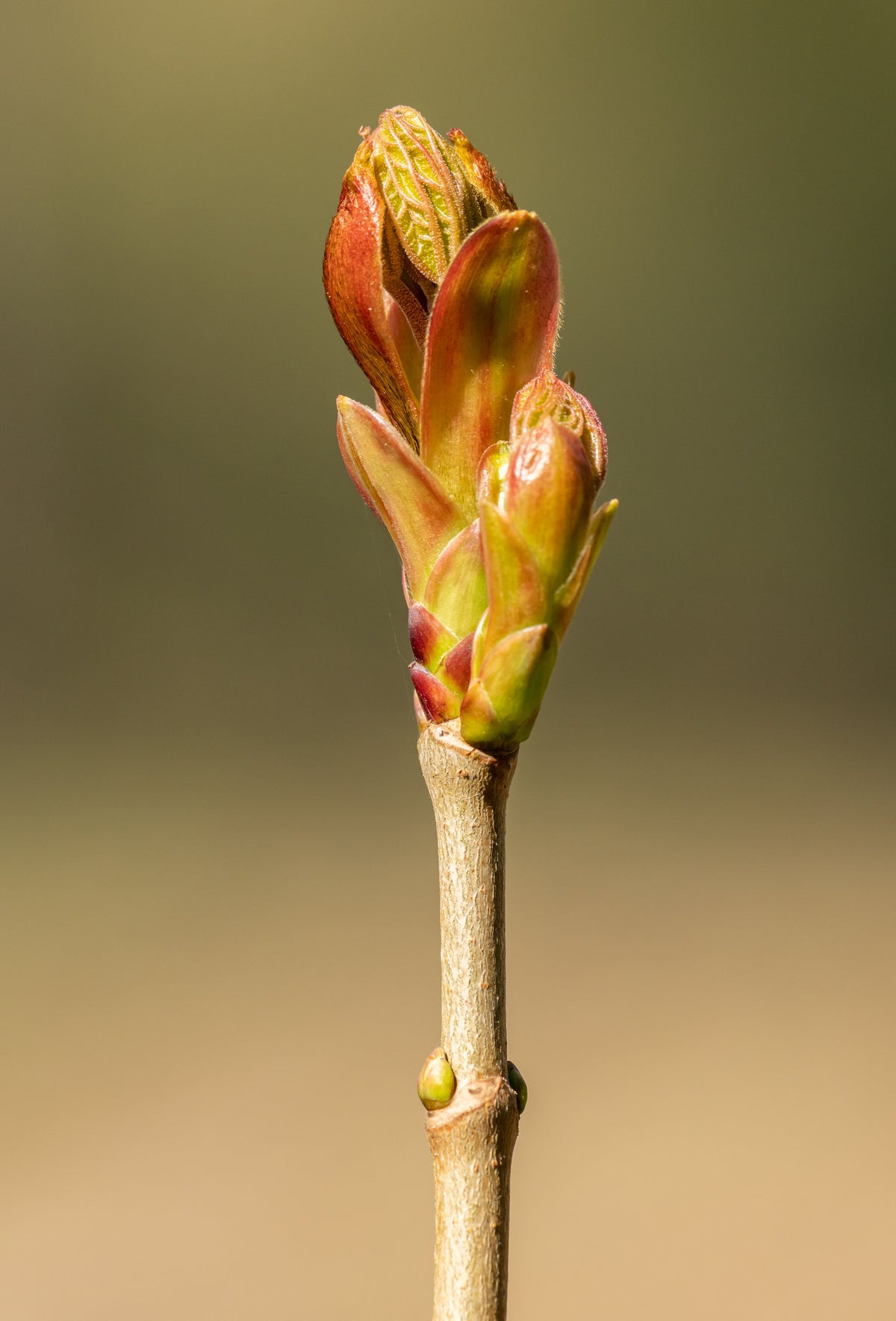
Budburst
Spring · AprilThe dormant vines awaken and the first green shoots break from the bud. On the South Downs, growers watch nervously for late-May frosts, which in a bad year can claim most of a crop.
2 / 8
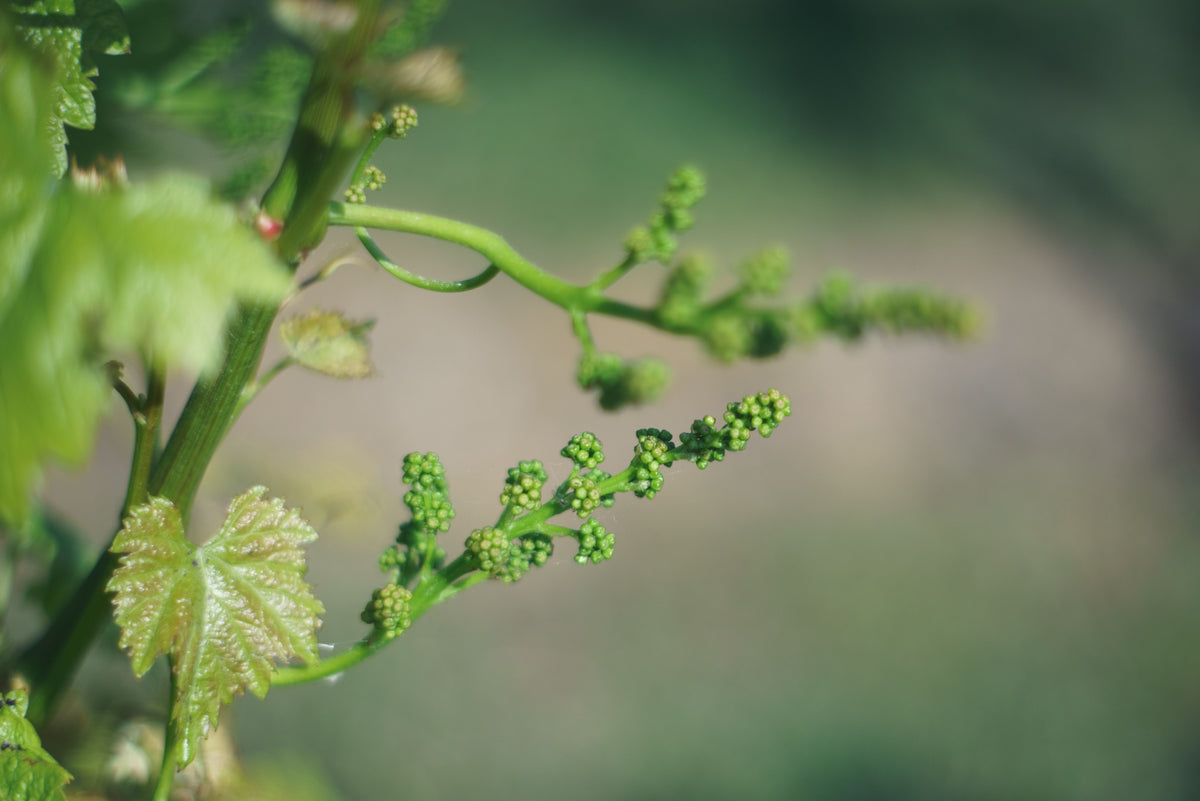
Flowering
Early summer · JuneAbout eight weeks after budburst, tiny self-pollinating flowers appear. A warm, dry flowering sets the size of the harvest to come — the moment that quietly decides the vintage.
3 / 8
Véraison
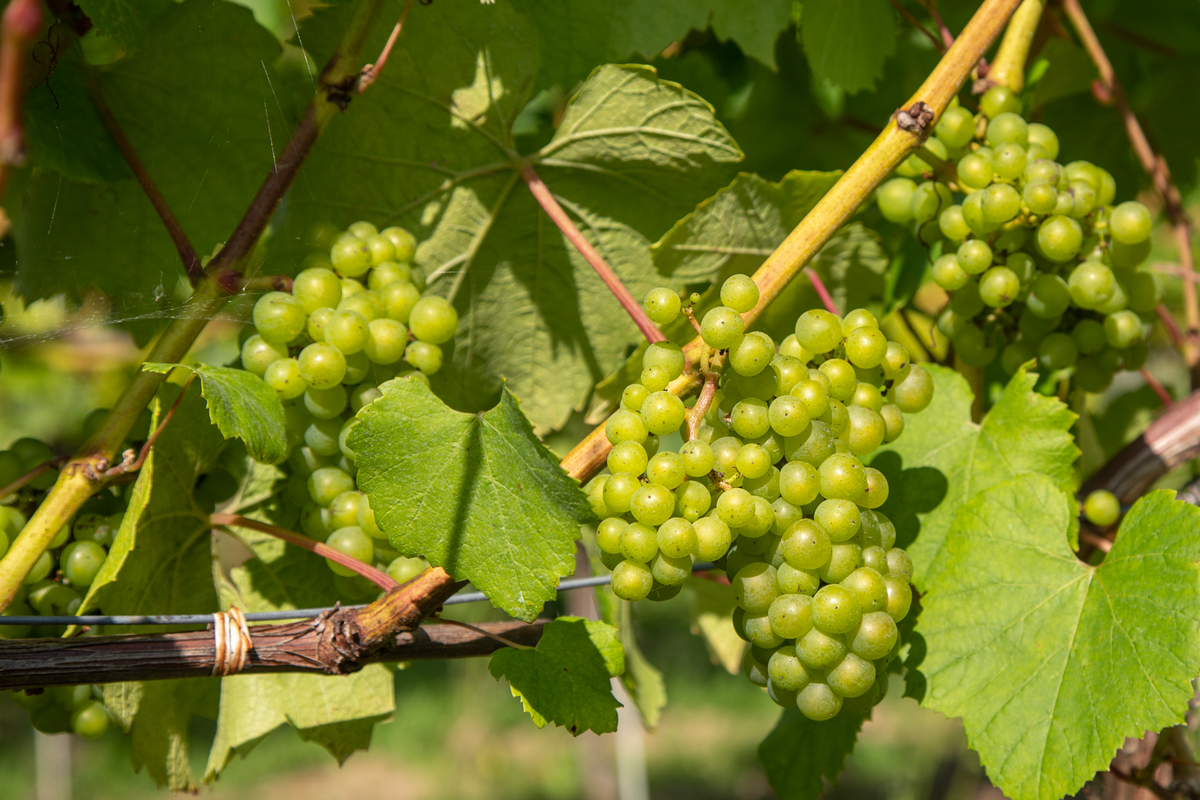
Late summer · AugustThe berries soften and colour, sugars rise and acidity falls. Sussex's long, cool ripening season is what gives still wines from Bacchus, Chardonnay and Pinot Noir their bright, aromatic character.
4 / 8
Harvest
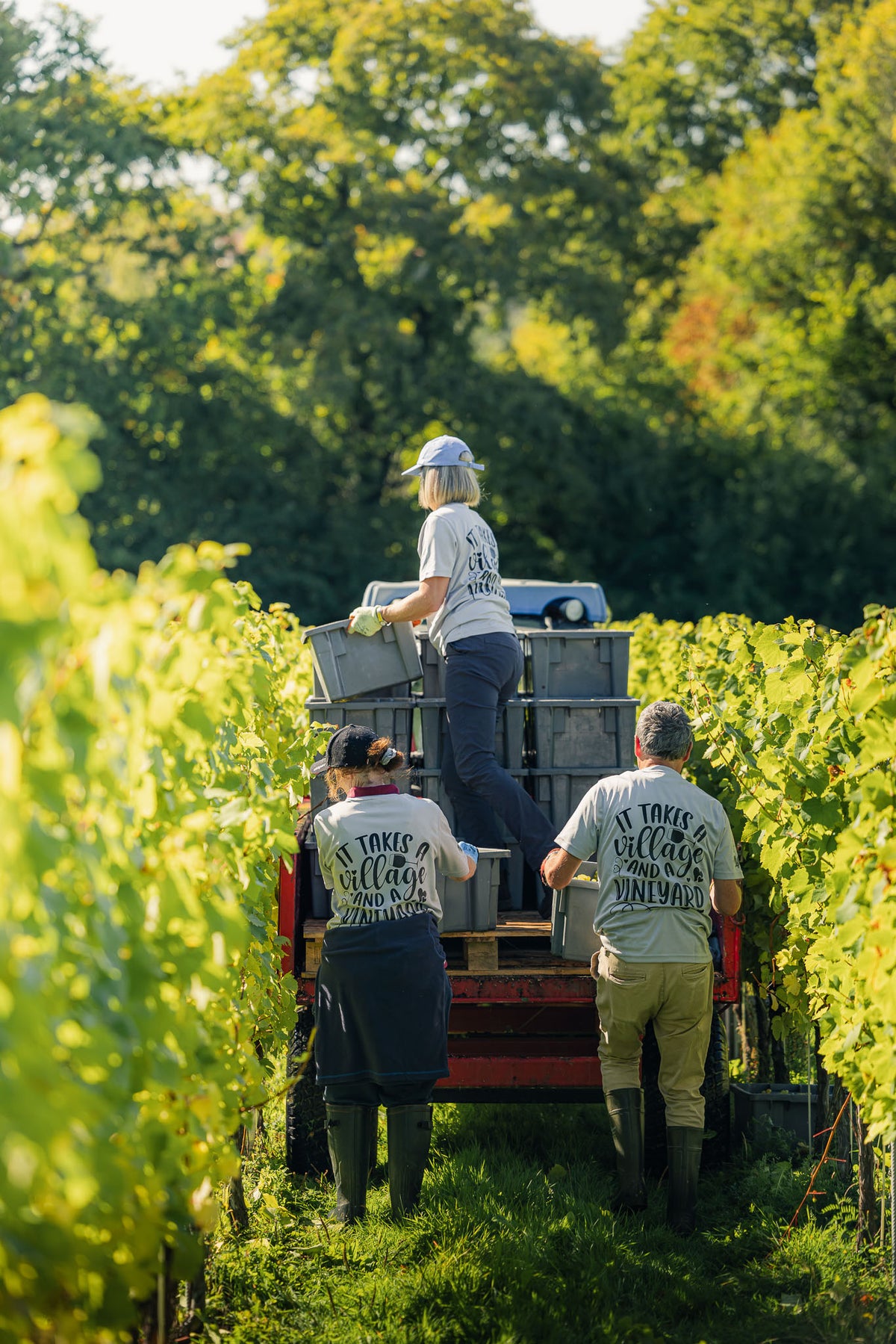
OctoberUnder Sussex PDO rules every grape is hand-picked, with yields capped at 14 tonnes per hectare. Pickers move row by row, selecting only sound, ripe bunches for the press.
5 / 8
Pressing
NovemberGrapes are pressed and the juice is run into tank or barrel. Yeasts convert sugar to alcohol over days to weeks, creating the base wine. Still wines must reach at least 10% ABV.
6 / 8
Maturing
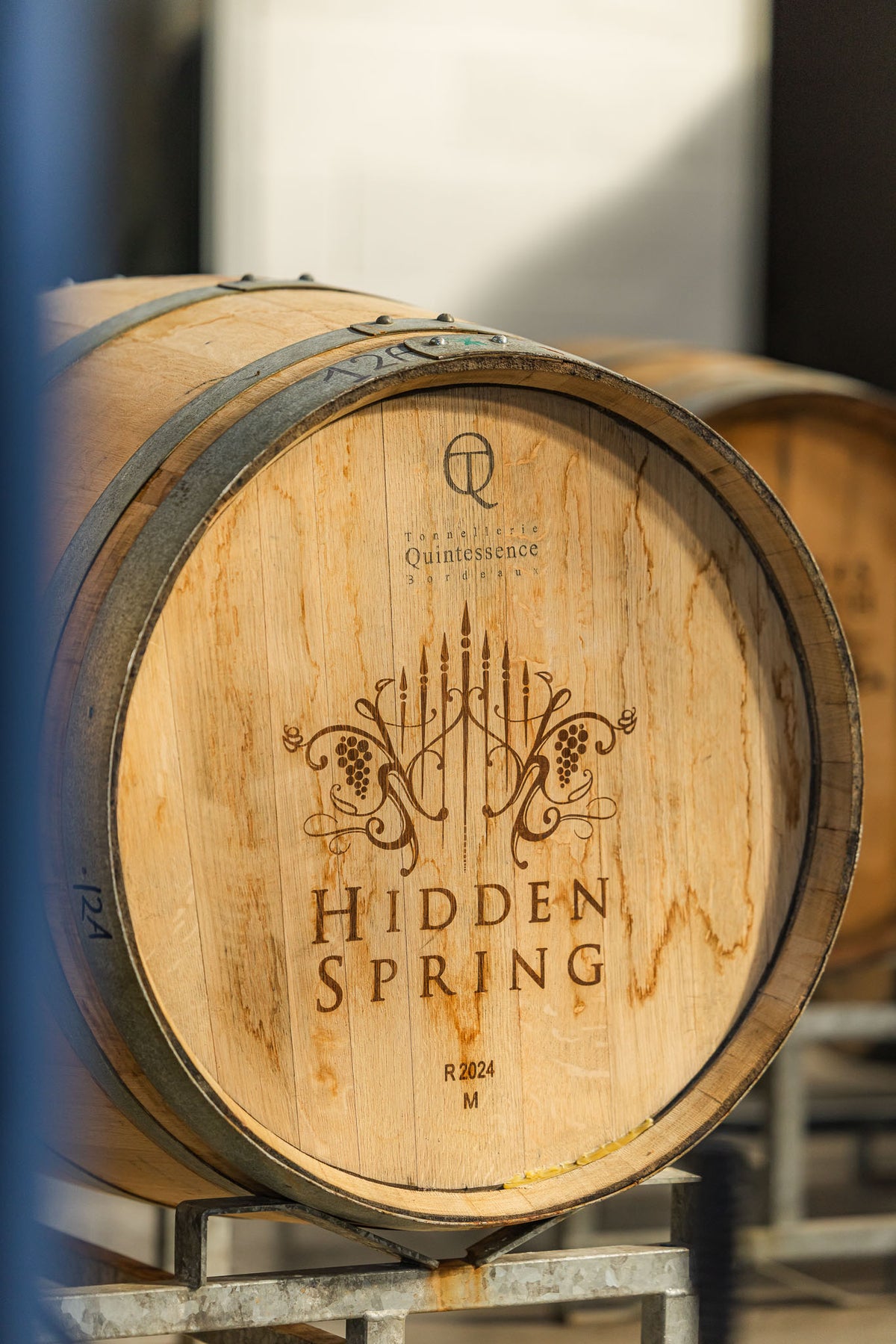
Months to yearsThe young wine rests on its lees, in stainless steel for freshness or oak for depth and complexity. Sussex rules require all lees-ageing to happen within the region.
7 / 8
Bottling
After ageing • months before releaseOnce the winemaker judges the wine ready, it is filtered and bottled — a step that, for Sussex PDO wines, must also take place within the demarcated region.
8 / 8
Labelling & Release
1-6 month processBottles are labelled, often after further ageing in the cellar to settle and round out. Finally the finished still wine is released — the close of a journey that began with a single bud.
Scroll to begin


